


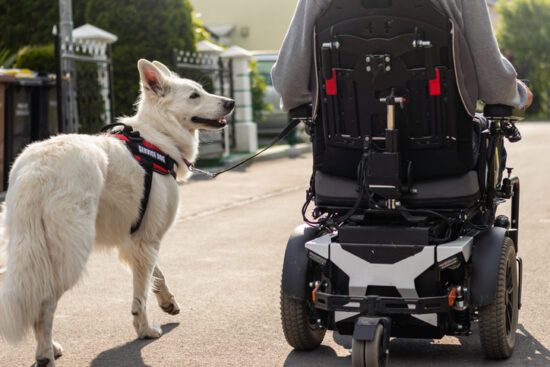
Is there a limit on the number of Service/Companion animals if the tenant has all the proper documentation? The property rules are 1 animal.
Answer:
No, HUD guidelines and the 4350.3 Handbook do not specify a limit on the number of Service/Companion animals a disabled individual may request. An individual may have multiple assistance animals if each performs a different function or addresses a separate disability-related need.
That does not mean that you, as the owner, cannot limit the number of household pets at a property. Just be very aware of your word usage within your policies. Pets are not assistance animals, and assistance animals are not pets. However, both categories are animals. Your handbook policies must clearly distinguish which rules apply to household pets versus assistive animals.
Was this answer regarding the limit on the number of Service/Companion animals helpful? You can request more free tools, compliance advice, and training opportunities from DeSilva Housing Group here!
Under the Fair Housing Act (FHA) and U.S. Department of Housing and Urban Development (HUD) guidelines, there is no blanket limit on the number of Service/Companion animals a resident with a disability may have, provided each animal serves a distinct, verified role. While standard property pet policies might restrict households to one pet, HUD explicitly clarifies that assistance animals are not classified as pets. Consequently, standard pet limitations cannot automatically be applied to reject additional assistance animals.
Understanding how HUD regulates assistance animals—and where legitimate restrictions do apply—is essential for property managers and owners navigating compliance.
Understanding HUD Guidelines on Assistance Animals and the limit on the number of Service/Companion animals
HUD categorizes assistance animals into two primary groups:
- Service Animals: Dogs (and in some cases, miniature horses) individually trained to do work or perform tasks for the benefit of an individual with a disability.
- Support Animals (Companion/Emotional Support Animals): Animals that provide emotional support or assistance that alleviates one or more identified symptoms or effects of a person’s disability, without requiring specific task training.
Because assistance animals are treated as reasonable accommodations rather than pets, property rules like “one pet per unit” or “no pets allowed” do not apply to them. However, housing providers can evaluate each request using HUD’s two-step framework:
- Does the person seeking to use and live with the animal have a disability-related need for the animal?
- Is the request reasonable, or does it pose an undue financial or administrative burden?
When an applicant or resident requests multiple animals, DeSilva Housing Group recommends reviewing each request individually rather than enforcing a strict numerical cap.
Is There a Limit on the Number of Service/Companion Animals?
When addressing whether there is a limit on the number of Service/Companion animals, the short answer remains no—there is no explicit federal number limit. If a resident has proper documentation establishing a disability-related need for each distinct animal, a housing provider generally must grant the accommodation.
For instance, a resident might rely on a trained service dog for mobility support outside the home and an emotional support cat inside the home to help manage anxiety. Since both animals address separate symptoms or needs, imposing an arbitrary limit on the number of Service/Companion animals would violate HUD fair housing standards.
When Housing Providers Can Deny or Restrict Requests
While HUD does not set a numerical cap, housing providers are not without recourse. You may deny a specific assistance animal if:
- Direct Threat: The specific animal poses a direct threat to the health or safety of others that cannot be eliminated or reduced by another reasonable accommodation.
- Substantial Physical Damage: The specific animal would cause substantial physical damage to the property of others that cannot be mitigated.
- Undue Burden: Granting the request for multiple animals would create an undue financial and administrative burden or fundamentally alter the nature of the housing provider’s operations.
It is critical to note that denials cannot be based on speculative harm, breed restrictions, or general size limits. Any decision must rely on objective evidence regarding that specific animal’s actual behavior or the cumulative physical impact on the unit.
Best Practices for Documenting Multiple Assistance Animals
To avoid legal liability, housing management teams should maintain consistent policies for reviewing multi-animal accommodation requests:
- Evaluate Each Animal Separately: Require clear documentation showing that each requested animal performs a unique function or alleviates a distinct symptom of the disability.
- Focus on Individual Need: Avoid asking intrusive questions about the nature of the disability, but do ensure the nexus between the disability and the need for each specific animal is documented.
- Update Policy Language: Ensure lease agreements and resident handbooks explicitly distinguish between domestic pets and assistance animals.
- Maintain Objective Records: Keep clear records of all accommodation requests, verification letters from qualified healthcare professionals, and interactive dialogue with residents.
Unsure if your property rules align with HUD’s regulations regarding a limit on the number of Service/Companion animals? Partner with DeSilva Housing Group to safeguard your operations and streamline fair housing compliance.
- Call our experts today: (512) 265-6620
- Explore our compliance resources: https://desilvahousinggroup.com/
Landlord Compliance Guide: Assistance Animals Under HUD & FHA
Housing providers must balance property operations with federal non-discrimination mandates. Under the Fair Housing Act (FHA) and HUD guidelines, assistance animals are not pets—they are assistive tools designed to support individuals with disabilities.
Key Rights & Protections
- Exemption from Pet Rules: Assistance animals are completely exempt from property pet bans, breed prohibitions, size or weight restrictions, and standard pet counts.
- Fee Waivers: Housing providers cannot collect pet deposits, upfront pet onboarding fees, or recurring monthly “pet rent” for a verified assistance animal.
- Full Common Area Access: Tenants have the right to accompany their assistance animals across all shared building amenities where residents are normally allowed.
What Landlords CAN Do
- Request Reliability Verification: Ask for a written verification letter from a qualified healthcare or mental health professional who has an established relationship with the tenant if the disability or need is not obvious.
- Evaluate Individual Behavior: Judge an animal strictly on its actual history and behavior rather than speculative risk or breed stereotypes.
- Charge for Actual Physical Damage: Hold the tenant financially responsible for repairing any physical property damage caused by the animal at move-out.
- Enforce Health & Sanitation Standards: Require tenants to maintain control over the animal, clean up after waste, and adhere to local municipal licensing and vaccination requirements.
- Verify Multi-Animal Needs: Request separate documentation showing a distinct disability-related need for each individual animal if a tenant requests more than one.
What Landlords CANNOT Do
- Demand Detailed Medical Records: Require a tenant to disclose medical diagnoses, clinical treatment plans, or underlying medical histories.
- Require Formal Certifications: Demand official government registration certificates, formal training badges, or special vests.
- Apply Blanket Denials: Reject a request based on breed bans, weight limitations, or general “no pets” policies.
- Charge Financial Penalties: Impose any extra financial burdens or higher security deposits as a condition for approving the accommodation.
- Interrogate Obvious Disabilities: Ask for medical verification if the individual’s disability and need for the animal are already self-evident (e.g., a guide dog for a visually impaired tenant).
Lawful Grounds for Accommodation Denial
A housing provider may legally reject an assistance animal accommodation only under limited circumstances:
- Direct Threat to Safety: Objective evidence demonstrates the specific animal exhibits aggressive behavior that threatens others and cannot be mitigated.
- Substantial Physical Damage: The specific animal poses a documented risk of causing significant property damage that reasonable measures cannot prevent.
- Undue Administrative or Financial Burden: Granting the specific accommodation would fundamentally alter property operations or impose an unmanageable financial burden on the owner.
Partner with DeSilva Housing Group for Affordable Housing Compliance
At DeSilva Housing Group, we are a national consulting and training firm that helps owners and managers in the affordable housing industry stay compliant with both federal and local regulations. Managing fair housing regulations, HUD handbooks, and reasonable accommodation requests requires precision and ongoing education.
Whether you need assistance updating your property handbooks, navigating complex accommodation requests, or training your site staff on fair housing laws, DeSilva Housing Group is here to help.
- Phone: (512) 265-6620
- Website: https://desilvahousinggroup.com/
Contact DeSilva Housing Group today to discover how our expert team can support your property management needs.